


Golden Retriever Breed: Description, Diet, Care
The Golden Retriever is one of the most popular breeds. This dog is intelligent, sociable, loyal, and lively. Also, this breed matures slower than others, so you can enjoy its mischief until it is 3-4 years old, which can be both endearing and annoying. Many Goldens are playful even in adulthood. Initially bred to retrieve game, especially ducks, Golden Retrievers need daily exercise, whether it's walks, light jogs, rummaging through the garden, a few laps around the lake or by the sea (Goldens love water), or fetching activities (e.g., with a soft ball).
This breed has an interesting history. Lord Tweedmouth was fond of the yellow color of the retriever and acquired a dog from Brighton in 1865. Later, he crossed it with a Tweed Water Spaniel bitch, a dark red retriever. After another 20 years of successive crosses, during which he also worked with Labrador Retrievers, Red Setters, and even a Bloodhound to improve their scent, the Golden Retriever breed was developed. From 1908 to 1913, it was officially registered as "Golden Flatcoats," and until 1920, as "Yellow Retriever." Only after that, around 1920, did the name Golden Retriever stick.
Today, Goldens are widely used in families or as guide dogs for people with disabilities, being affectionate and open. Below, you can find out more about the personality of a Golden Retriever, how to care for these dogs, what diseases they can suffer from, and what they can eat.
Physical Description
The Golden Retriever breed is medium to large-sized, with a symmetrical and harmonious build. The head is broad, the muzzle is trapezoidal, the nose is brown or black, the eyes are large and dark, and the ears are short, pointed, and hang close to the body. The tail is medium-length and thick, carried down or raised, but not much above the backline.
The coat is soft, fine to the touch, and shiny, in various shades of gold or even cream. It is thicker and longer on the neck, abdomen, legs, chest, and tail. Sometimes, it has a white patch on the chest. These dogs have great endurance due to their origins as hunting animals.
Personality
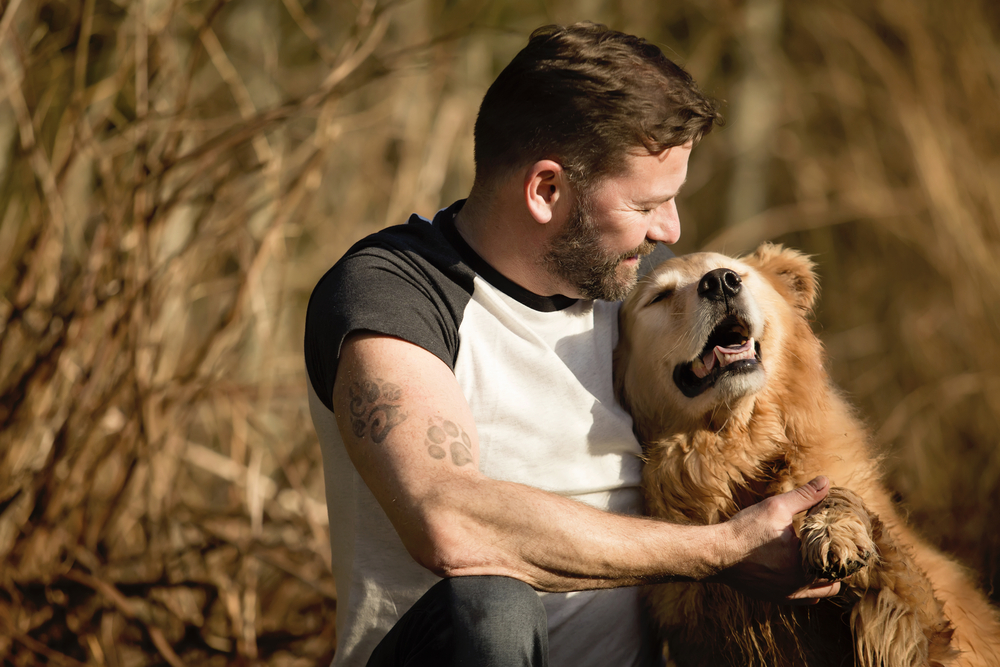
The breed is known for its empathic capacity, which makes these dogs ideal playmates for families with young children. They are calm, playful, intelligent, and understanding with both strangers and small children. They need daily physical exercise, long walks, and fetching objects (stick, ball, etc.). They enthusiastically join activities such as jogging, cycling, or swimming.
Although known for their balanced temperament, some unorthodox breeding practices can create behavioral deviations, which is why it is important to find out information about the parents before getting a Golden Retriever.
This breed requires socialization from the first months of life. Exposure to people, other dogs, sights, sounds, and experiences helps dogs develop harmoniously.
If left alone for long periods, and especially if they don't get enough exercise, Golden Retrievers can develop anxiety, which can lead to aggressive behaviors.
Ease of Training
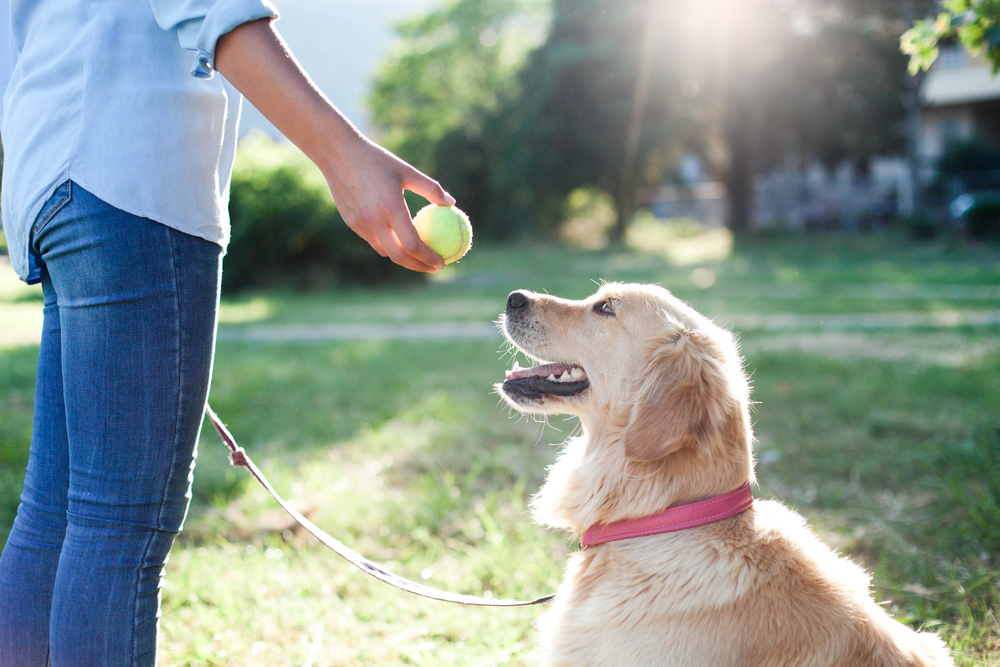
A Golden Retriever is intelligent and quite easy to train. They are obedient, but must be treated gently, as they do not react well to harsh treatment. The biggest problem with this breed is walking on a leash. Dogs must be taught to use a leash from a young age, otherwise, once they reach adulthood, they will pull in all directions. They love yard life, but they also adapt easily to apartment living if they get daily physical activity.
Training experts say that the biggest mistake people make when getting a Golden Retriever is to believe that the pet will train itself. Many people think that Goldens are already trained, well-behaved, and their fur is always shiny.
Before starting the training process, it is advisable to decide what you want the puppy to know. They learn simple commands easily, especially in the first few weeks and months of life. Unless you got them for hunting, you'll want them to listen to you and not leave "surprises" on the carpet.
The most common form of training is through vocal commands. By choosing this method, you will need to establish a few simple words that are easy for the dog to remember. Establish the commands in advance and write them down on a piece of paper, so that the whole family knows and uses them. Changing commands on the fly will confuse the little quadruped. Another method is to use sounds instead of words. You can clap your hands, snap your fingers, or even use a whistle. The Golden Retriever breed is very responsive to whistle training. However, if you choose this method, you need to create a routine (for example, three whistles for going outside).
Most of the time, you will get the puppy around 6-8 weeks of age. Although you might be tempted to let them get to know your home, it is recommended to start training immediately. Otherwise, the puppy will develop negative habits from the first moments in your home. The breed is intelligent and will quickly learn commands, even from two months old.
Another important thing is to stick to simple commands, at least initially. Although intelligent, they cannot process many words in a row. Teach them one command, like "Sit," before moving on to more complex things. The puppy's attention span is limited, and in the first few weeks of life, they want to run around and play. Make sure the puppy is attentive so they can remember your commands. Do not extend a training session for more than 15 minutes.
After you have mastered the "Sit" command, you can move on to training the dog to relieve themselves outside. Puppies do not have the self-control capacity of an adult animal. As a result, accidents can happen. To keep your home as clean as possible, it is important to train them in this regard from the first days. It requires 24/7 attention, so you will need to take a few days off work to spend time with the new family member.
This helps you form a bond with the little quadruped and teach them to go outside. If you are with them, there is less risk of them forming unpleasant habits. The first step is to take them to the garden or a specially designated area in the house. Let them sniff around well so they can feel in their element.
Take them to this area once or twice an hour. Although this may seem excessive, you will see that puppies urinate often. If you bring them here often, they will become familiar with the area and understand the connection with physiological needs. 20-30 minutes after eating, you should take them outside.
Socialization is another important element. It is easy to recognize a puppy that has not been exposed to other animals or people. They are aggressive, fearful, and anxious at the sight of unknown things. To ensure this does not become a problem for your Golden Retriever, it is important to start socialization as soon as possible, ideally after all their vaccinations.
Stopping unwanted behavior is another aspect that needs to be addressed in training. In the first few days, the puppy will not understand much about their new environment. Thus, they may chew on furniture, get on the bed, or even bite you. It is important to say stop, so that such behaviors cease. Sometimes, a simple command, like "No!", is enough for the pet to understand that such behavior is not accepted. Also, if the puppy is chewing on your slippers, put them on a high shelf and offer them a soft toy.
If they bite you, you can maintain a firm "No!" or make sounds of pain. The puppy does not want to hurt you and will stop such behaviors.
Another important thing is routine. Golden Retriever puppies need structured days. It is advisable to establish a routine as soon as possible. This refers not only to training, but to all daily activities. It is ideal to feed them at the same time every day and to take them for a walk at the same time. Moreover, structure will help them understand what you expect from them and, at the same time, to control themselves until they go out. Of course, going out should not happen more than 30-60 minutes after eating.
If you don't have time, you can confidently turn to a professional trainer.
Grooming
The Golden Retriever breed has a long, dense coat, sometimes straight, sometimes curly. Animals shed moderately in winter and summer, and more in spring and autumn. If you have a Golden, you will have to get used to finding hair in the house and on your clothes. To prevent matting, daily brushing is recommended. Also, to keep the coat clean and shiny, it will need at least one bath per month.
Another important aspect concerns oral health. You will need to brush their teeth at least 2-3 times a week to remove plaque and bacteria buildup. Daily teeth brushing prevents gum disease.
Also, it is advisable to trim their nails once or twice a month. If you hear them making noise on the floor, they are too long. However, it's good to be careful, as nails have blood vessels, and if you cut them too short, it can cause bleeding, as well as the pet's non-cooperation for the next such activity.
Dropped ears create an ideal environment for bacteria and fungi to develop. Therefore, it is important to check them weekly; redness or unpleasant odor indicates an ear infection. After each bath, it is good to carefully wipe their ears to avoid leaving water droplets.
If you carefully take care of their grooming when they are young, they will accept it in adulthood. After each such "examination," it is recommended to praise them and, eventually, offer them a treat.

Diseases and Conditions
Golden Retrievers are generally healthy, but like other breeds, they can get sick. If you get a puppy, read the parents' medical record. This breed can be affected by the following diseases:
- Hip Dysplasia - is an inherited condition. Some dogs experience pain and sensitivity in one or both hind legs. As the animal ages, arthritis may develop. Puppies with hip dysplasia should not breed;
- Elbow Dysplasia - is another inherited condition, common in medium to large dogs. It is believed to be caused by different growth rates of the bones that form the shoulder. Pain can be controlled with medication, but surgery may be needed;
- Cataracts - manifest as spots on the lens. They can appear at any age, but generally do not affect vision, although there are severe situations where it can lead to blindness. It can be surgically removed;
- Progressive Retinal Atrophy - is a group of vision problems involving the gradual degradation of the retina. In the initial phase of the disease, puppies no longer see well at night, and as the disease progresses, daytime vision also suffers. Many dogs adapt to vision limitations, as long as nothing changes in their environment;
- Subvalvular Aortic Stenosis - is a heart problem caused by the narrowing of the connection between the left ventricle and the aorta. It can cause fainting or spontaneous death. The veterinarian detects this disease and can recommend treatment;
- Osteochondrosis Dissecans (OCD) - is an orthopedic condition caused by improper cartilage growth in the joints. It causes pain and stiffness in the joints, with some dogs unable to flex their paws well. It can be detected at 4-9 months. Providing high-protein foods can increase the risk of this health problem;
- Allergies - Golden Retrievers can be allergic to a variety of substances, from pollen to food (beef, dairy products, soy products, chicken or poultry organs). If the puppy licks its paws or rubs its muzzle often, it is advisable to take it to the veterinarian;
- Von Willebrand Disease - is an inherited blood disorder that prevents blood clotting. The main symptom is excessive bleeding after an injury or during surgery. Other symptoms include nosebleeds and bleeding gums. Currently, there is no antidote, and blood transfusions from healthy dogs are the main form of treatment. Most puppies with this disease can lead a normal life. Golden Retrievers with Von Willebrand disease should not breed;
- Gastric Torsion (Bloat) - can be life-threatening for the puppy, especially if they have received a generous meal, eaten quickly, drunk large amounts of water, or exercised heavily after eating. This health problem occurs when the stomach is full of gas, and then twists due to sudden movements of the dog. The animal cannot vomit to eliminate excess air from the stomach, and blood flow to the heart is blocked. Blood pressure drops, and the dog may go into shock. Without rapid medical intervention, it can die. If you notice the following symptoms, it is advisable to go to the veterinarian urgently. These are restlessness, depression, lethargy, excessive salivation;
- Epilepsy - consists of the occurrence of seizures. It is advisable to provide precise information to the veterinarian regarding the frequency and severity of seizures, to recommend appropriate treatment;
- Hypothyroidism - affects the thyroid gland and increases the risk of epilepsy, potentially causing hair loss, obesity, and the appearance of dark spots on the skin. It is treated with medication and dietary changes.

Nutrition
Generally, 2-3 portions of dry food per day, divided into two meals, are recommended. However, the amount of food depends on the pet's age, size, metabolism, and lifestyle. A puppy that exercises 2-3 hours a day (the recommendation for an adult Golden Retriever) needs more food than a sedentary animal.
Puppies grow quickly between 4 and 7 months, a period when they are susceptible to bone diseases. It is advisable to offer them quality food and a low-calorie diet to avoid sudden growth. At the same time, this breed has a higher risk of obesity, so a hypocaloric diet should accompany the physical exercises, so loved by the quadruped.
The Golden Retriever breed is suitable for families with young children. If you take care of its training, the puppy will listen to you and be friendly with other animals and family friends. Pay attention to the diet, as nutrition and an active lifestyle, in general, help prevent specific ailments of this breed.
See also other dog breeds
Photo source: Shutterstock
MOST RECENT POSTS
Share

